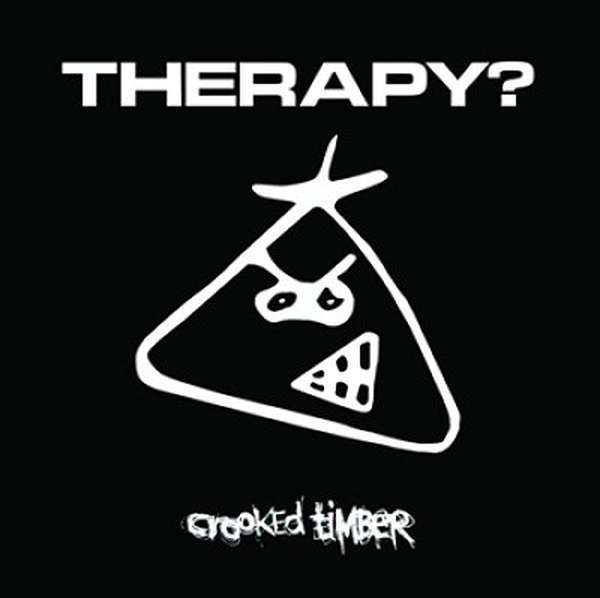
Therapy? have followed a strange path. From underground industrial punks through to rock and roll-tinged pop punk pioneers to a brief spell as darlings of the British rock scene and now relative obscurity with only other bands and a devoted core fanbase paying any real attention to them. They've flitted between independent labels like confused moths for the past few years, and even the most hardened of admirers would have to admit that their output has been mixed.
2004's Never Apologise, Never Explain was a raw attitude-filled punch to the chops, but follow-up One Cure Fits All, while having its moments, was decidedly patchy. Over the years variations on their sound have been tried and tested, sometimes to good effect and sometimes well, not. Crooked Timber is perhaps the farthest they have strayed, and it's a much-needed dash of cold water.
Dank, polluted cold water. That leaves you soaked and chilled, and loving it. This is a dark monster of a record that is about 10,000 light years away from the anthemic likes of "Screamager" and "Die Laughing" while maintaining the same bleak humor and powerful songcraft. Unashamedly gloomy and obtuse for a Therapy? release, the only relatively upbeat tune is "Enjoy the Struggle" (originally intended to be the first single, a notion since jettisoned) and it's hardly an album highlight. Elsewhere, the brooding "Exiles" and pounding title track (now the actual first single, complete with dissonant notes that clamor around the main instrumentation) hold your attention beautifully.
It's the superb midsection of the album that impresses, and while the rumbling beauty of lengthy instrumental "Magic Mountain" grabs you near the closing of the record there is a dip in quality. There aren't any significant misfires, but there are enough slight lulls to prevent this from becoming a classic Therapy? release and leaving it as merely an intriguing, high-quality album. The vocals stand out as the most stripped-back and honestly delivered Andy Cairns has laid down, and the production in general moves everything onwards with a sense of terrible urgency.
There is a palpable sense of density and claustrophobia to Crooked Timber, like the Belfast lads are playing it to you while you're backed up against a wall in a wretched alleyway with them as they level thousand yard stares in your direction. Lightweight this is not, but frankly lightweight can go fuck itself. For Therapy? fans out there, perhaps the best comparison I can draw is that this is like Suicide Pact You First only done right (although doubtless the band would disapprove of me importuning their own favored release). For everyone else a rubble-strewn collapsed rock album, writhing in a sense of elapsed grandeur and failed majesty. For a last statement with such negative connotations, I mean it as a hell of a compliment.
See also
The God Machine, Helmet, Joy Division